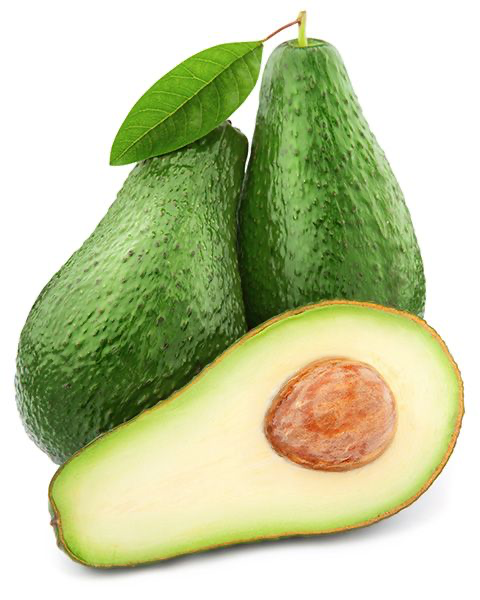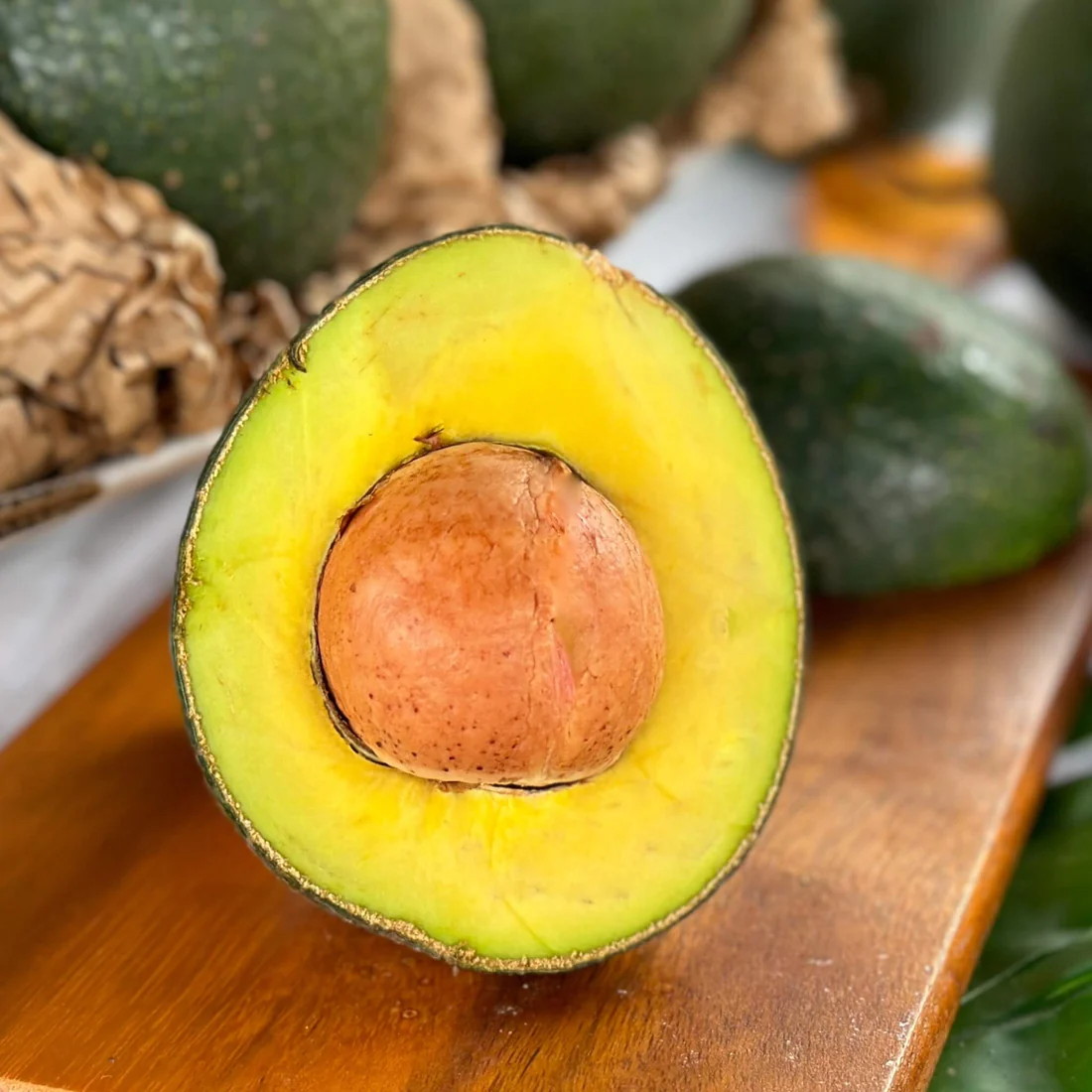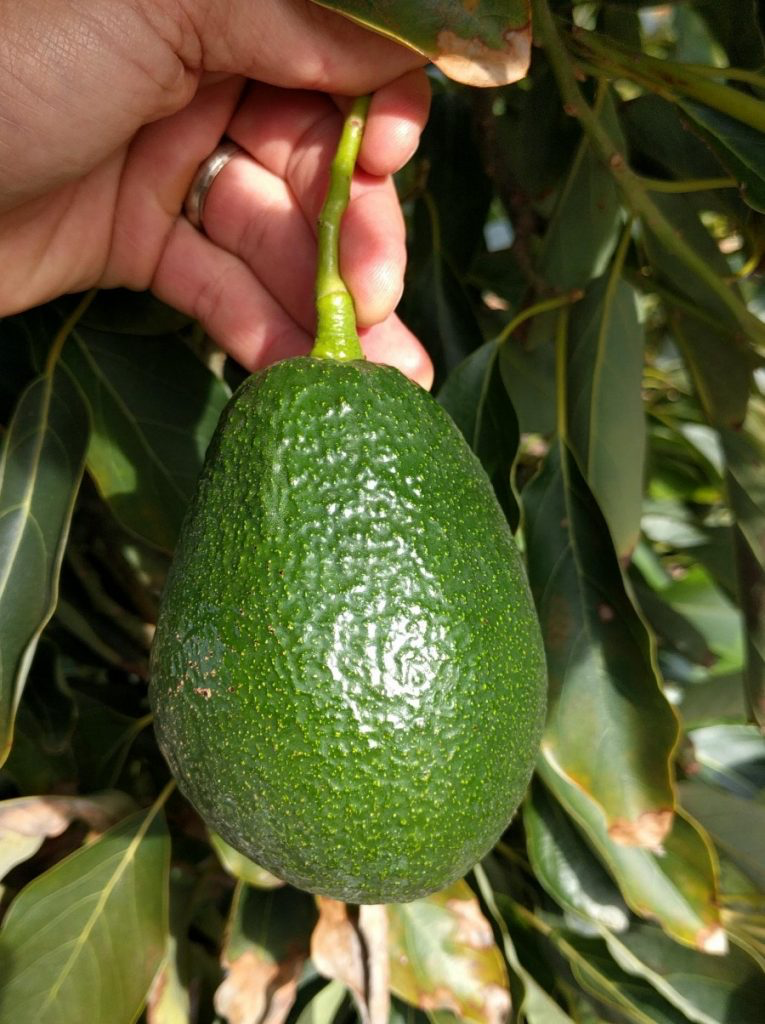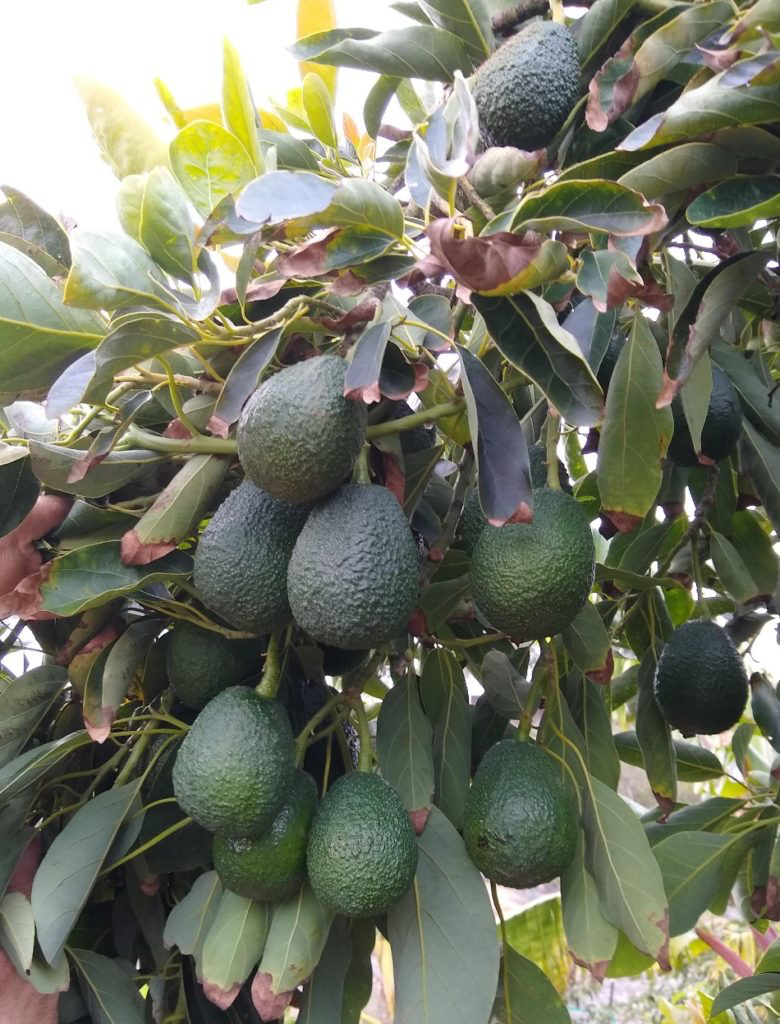
Hass Avocado

Avocados: The Nutrient-Packed Superfood

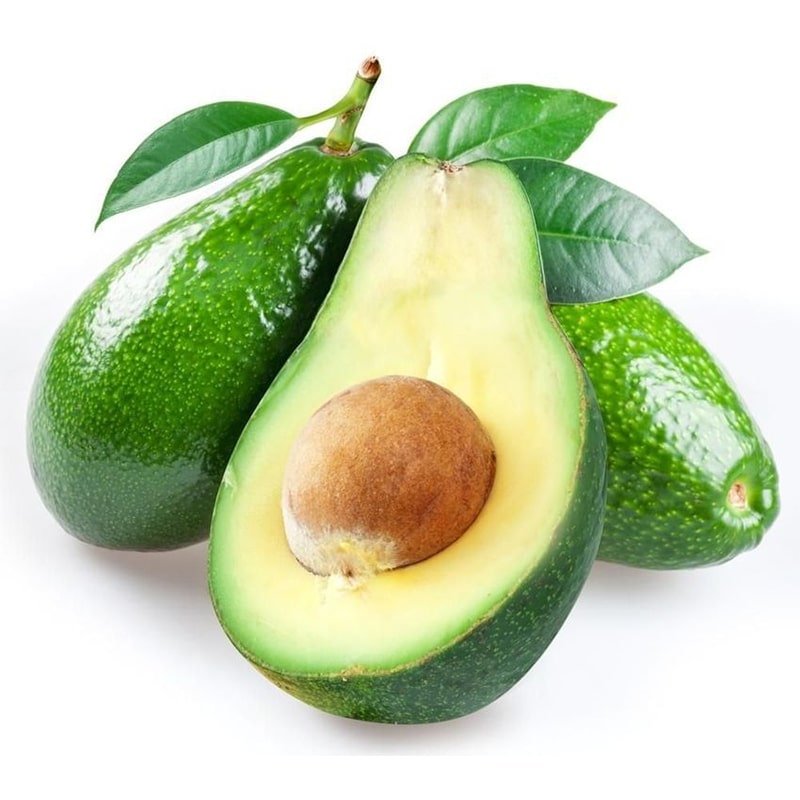
Avocados (Persea Americana) are celebrated globally as a superfood, prized for their rich, creamy texture and exceptional nutritional value. At Deccan Exotics India F.P.O., a National Award-winning Farmer Producer Organization (2022, Ministry of Agriculture), we specialize in cultivating premium avocado varieties, with the Hass avocado—also known as the Alligator Pear—leading our portfolio. Sourced from elite germplasm in countries like Israel, California, and Spain, our avocados are grown to meet global standards, offering farmers high yields and consumers unparalleled flavor and health benefits. Our partnership with ICAR-Tumkur drives the development of hybrid varieties tailored for Indian climates, ensuring disease resistance and superior productivity.

Ready to Order?

Interested in our premium avocado saplings or export-ready fruits? Contact our team for availability, pricing, and delivery options.

+91-7331155778
+91-7702071045

deccanexoticsindia@gmail.com

Inquire Now

Health Benefits

  • Rich in B vitamins to boost immunity
  • Vitamins C and E for antioxidant protection
  • High fiber for digestive health
  • Lutein for eye health
  • Folate for cell repair and pregnancy support
  • Potassium to regulate blood pressure and promote heart health

Why Choose Our Avocados?

At our 40-acre Sangareddy nursery, we cultivate avocados using advanced clonal propagation to produce disease-resistant, high-yield saplings from Guatemalan, Mexican, and West Indian races. Our varieties offer rich, nutty tastes with high oil content (up to 22%), ideal for fresh consumption, guacamole, and avocado oil. With yields of 15-20 tonnes per hectare and resilience to Phytophthora, our avocados are export-ready, adhering to GAP and VIET GAP standards for long shelf life. Positioned to tap the $20B global market (US 50%, Europe 30%, Asia 20%), we empower farmers with superior genetics and support.

Our Avocado Varieties

Hass Avocado

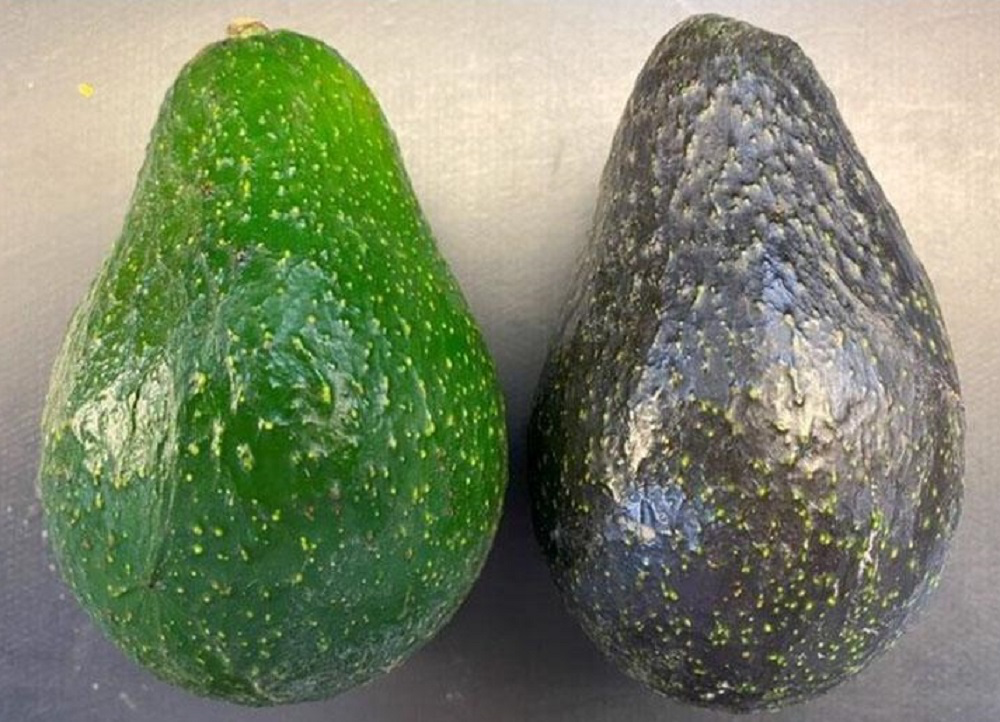
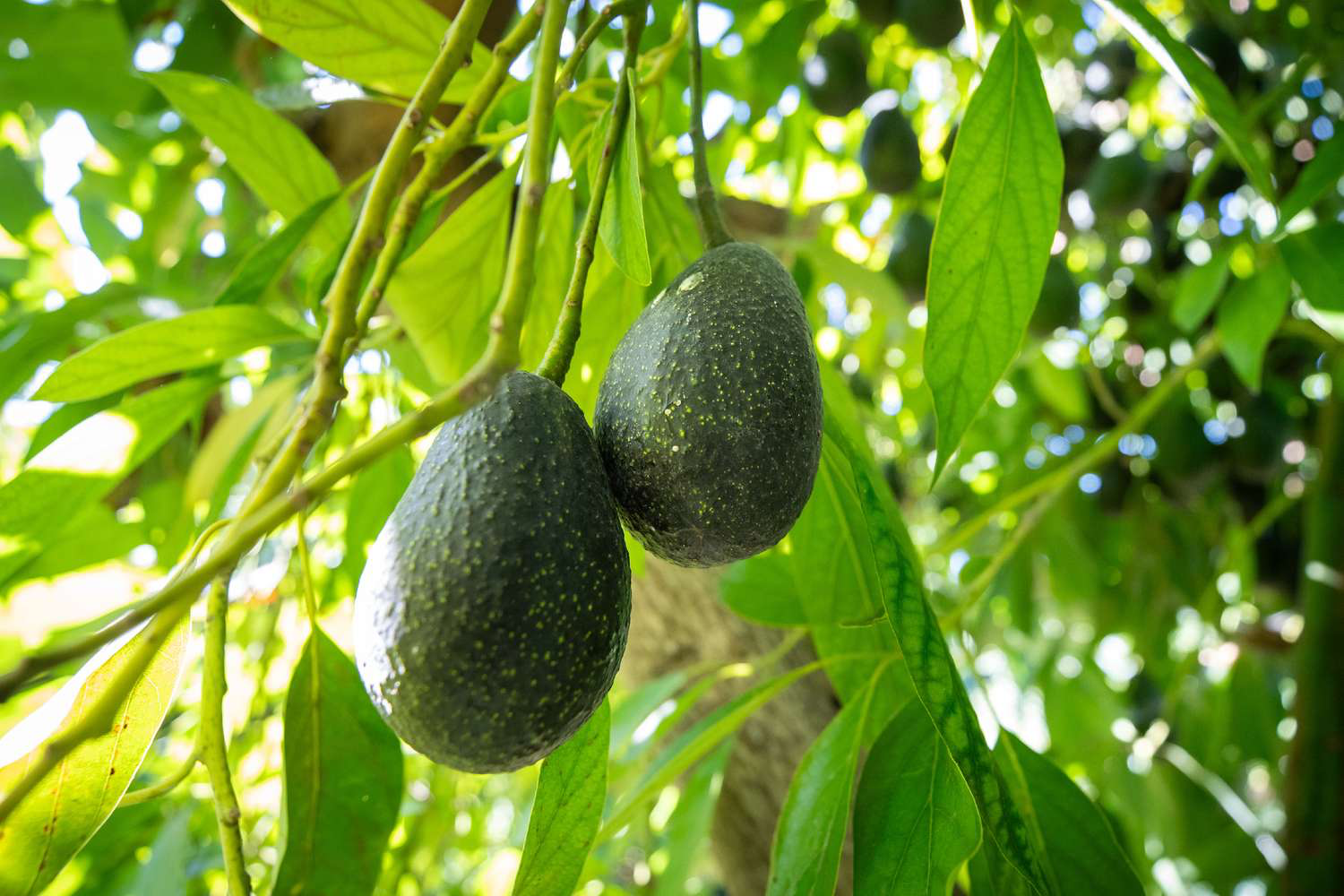
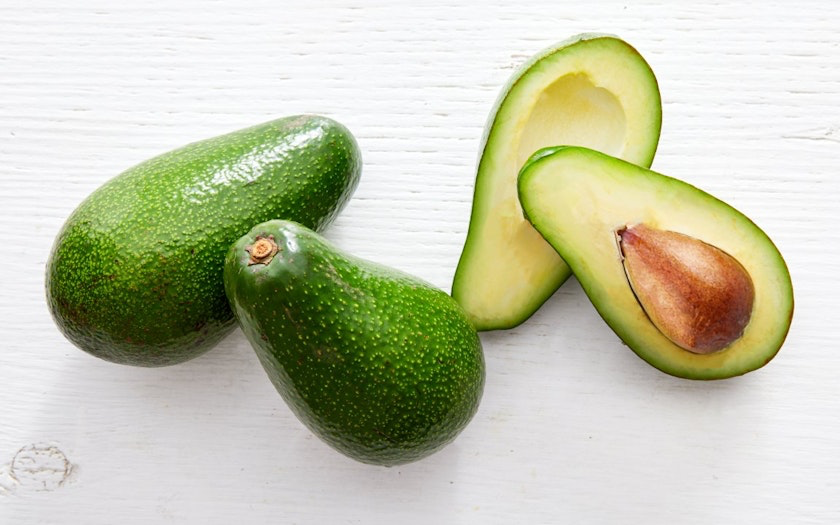
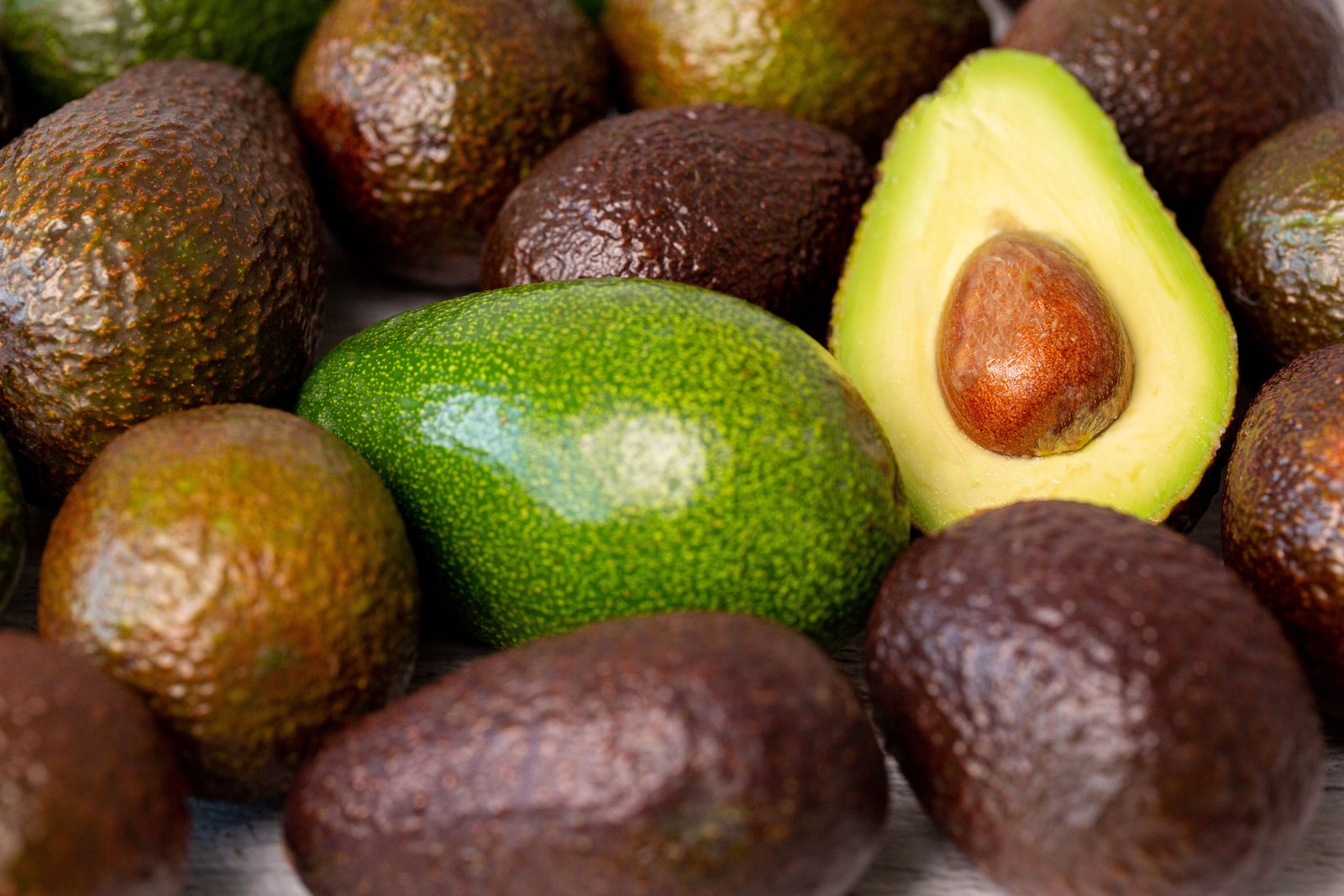
Originating in California in the 1920s by Rudolph Hass, the Hass avocado is the global market leader, comprising 95% of U.S. production. Its pear-shaped fruit has thick, bumpy, purplish-black skin when ripe and creamy, yellow-green flesh with a rich, nutty, buttery flavor (24% oil content). Weighing 200-300g with a medium, easily removed seed, it ripens off the tree year-round, peaking spring to fall. Compact, medium-sized Type A trees are high-yielding but sensitive to cold and heat. Ideal for guacamole, salads, and oil extraction, Hass has a long shelf life and thrives in diverse Indian climates.

  • Medium size (200-300g)
  • High oil content (24%) for rich, nutty taste
  • Thick, purplish-black bumpy skin
  • Creamy, fibreless flesh
  • Long shelf life, high yield
  • Suitable for Indian climates
Hass Avocado

Fuerte Avocado

Introduced to California in 1911, Fuerte is a Mexican-Guatemalan hybrid known for its resilience, with "Fuerte" meaning "strong" in Spanish. Its pear-shaped fruit features smooth, thin green skin that stays green when ripe, and smooth, buttery flesh with medium oil content (18%) and a delicate, less nutty flavor than Hass. The medium to large seed ripens off the tree from winter to spring. Large, spreading Type B trees are cold-tolerant and fruit early, ideal for Indian winter-spring seasons, though the fragile skin results in a shorter shelf life.

  • Medium to large size
  • Medium oil content (18%), buttery flavor
  • Smooth, thin green skin
  • Delicate, less nutty taste
  • Cold-tolerant, early fruiting
  • Suitable for Indian winter spring seasons
Fuerte Avocado

Zutano Avocado

Originating in California in the early 20th century, Zutano avocados have shiny, thin green skin and firm, low-oil (8-10%) flesh with a mild, slightly watery taste. The large seed ripens off the tree, with early winter flowering. Tall, fast-growing Type B trees are cold-hardy and excellent pollinators for Hass, making them valuable in Indian orchards. Rarely sold commercially due to less flavor and watery texture, Zutano is adaptable to Indian climates for early winter harvests.

  • Shiny, thin green skin
  • Low oil content (8-10%), mild flavor
  • Large seed, watery texture
  • Cold-hardy, Type B pollinator
  • Early winter flowering
  • Adaptable to Indian climates
Zutano Avocado

Pinkerton Avocado

Developed in California in the 1970s, Pinkerton avocados are pear-shaped with thick, slightly pebbled green skin and creamy, yellow-green flesh boasting a rich, nutty flavor (23% oil content). The small seed ensures a high flesh-to-seed ratio, and the fruit ripens off the tree in early to mid-season. Compact, high-yielding Type A trees offer a long harvest window, making Pinkerton a commercially viable Hass alternative, well-suited for Indian coastal and inland regions.

  • Small seed, high flesh-to-seed ratio
  • Thick, pebbled green skin
  • Rich, nutty flavor, 23% oil
  • Fibreless, creamy texture
  • High-yielding, early to mid-season
  • Suitable for Indian coastal and inland areas
Pinkerton Avocado

Reed Avocado

Developed in California in the 1940s, Reed avocados feature smooth, thick green skin that stays green when ripe and very creamy, buttery flesh with a mild, smooth flavor (18-20% oil content). With a medium seed, they ripen off the tree in the very late season, ideal for Indian summers. Productive, upright Type A trees with a round canopy offer long shelf life, making Reed perfect for salads and slicing in Indian markets.

  • Medium size, thick green skin
  • High oil content (18-20%), creamy texture
  • Mild, smooth flavor
  • Long shelf life
  • Late-season, ideal for Indian summers
  • Perfect for salads and slicing
Reed Avocado

Lamb Hass Avocado

A hybrid of Gwen and Hass developed in California in the late 1990s, Lamb Hass produces large, pear-shaped fruits (283-510g) with bumpy, dark green to black skin when ripe and rich, slightly firmer flesh with a Hass-like nutty flavor. The medium seed ripens off the tree in the late season (May-Nov). Compact, high-yielding Type A trees are ideal for high-density planting in India, offering heavy yields and long hang time, though they require ample sun to ripen fully.

  • Large size (283-510g)
  • Rich, nutty, Hass-like flavor
  • Bumpy, dark green to black skin
  • Compact, high-yielding trees
  • Late-season, needs ample sun
  • Suitable for high-density Indian orchards
Lamb Hass Avocado

Luna UCR™ Avocado

Developed by UC Riverside with Eurosemillas, S.A., Luna UCR™ (BL516) is a next-generation cultivar with Hass-like fruit, featuring glossy black skin when ripe and creamy, nutty flesh ideal for guacamole. Ripening off the tree slightly later than Hass, it extends the harvest season. Upright, slender Type B trees are compact, enabling high-density planting and supporting pollination of Type A varieties like Hass. With excellent shelf life and consumer-friendly ripeness cues, Luna is ideal for modern Indian orchards aiming for high productivity.

  • Hass-like glossy black skin
  • Creamy, nutty flavor
  • Excellent shelf life
  • Compact Type B trees for high-density planting
  • Late harvest, extends season
  • Supports Hass pollination in Indian orchards
Luna UCR Avocado

Ettinger Avocado

Developed in Kefar Malal, Israel, in 1947 and introduced to the U.S. in 1954, Ettinger is a Mexican-Guatemalan hybrid with large, pear-shaped fruits (255-567g) featuring smooth, thin, bright green skin and light yellow, fibreless, soft flesh with a mild, slightly sweet flavor. The large, loose seed ripens off the tree slightly before or with Fuerte. Upright, vigorous Type B trees grow 30-40 feet, are cold-tolerant to 28°F, and aid pollination of Type A varieties like Hass, making them adaptable to Indian climates for fresh eating.

  • Large size (255-567g)
  • Mild, slightly sweet flavor
  • Smooth, thin green skin
  • Fibreless, soft flesh
  • Cold-tolerant, Type B pollinator
  • Adaptable to Indian climates
Ettinger Avocado

Maluma Avocado

Discovered in South Africa in the 1990s, Maluma avocados are pear-shaped with an elongated neck, weighing 150-400g (mostly 250-300g). They feature rough, pebbly, dark purple-black skin when ripe and creamy, buttery flesh with a rich flavor and longer green flesh life after cutting. The small, flat seed maximizes flesh content. Early-maturing Type A trees are moderately vigorous, heat-tolerant (up to 46°C), and high-yielding, making them ideal for Indian warm climates with strong market appeal due to their long shelf life.

  • Medium size (150-400g, mostly 250-300g)
  • Rich, buttery flavor, small seed
  • Rough, dark purple-black skin
  • Early-maturing, high yield
  • Heat-tolerant (up to 46°C)
  • Long shelf life for Indian markets
Maluma Avocado

Frequently Asked Questions (FAQs)

The suitable varieties for Indian conditions are Hass, 38 Degrees, Lamb Hass, Maluma, and Pinkerton — these perform well in regions with temperatures between 38°C to 42°C.
Pinkerton is especially suitable for areas with temperatures above 45°C.

Type A varieties: Pinkerton, Lamb Hass, Hass, Maluma, Reed
Type B varieties: Ettinger, Zutano, Fruit A, Luna

The planting distances are as follows:

  • Ultra High Density: 2 meters × 4 meters
  • High Density: 2.5 meters × 5 meters or 3 meters × 5 meters
  • Normal Density: 3 meters × 6 meters

Yes, intercropping with vegetables or flowers can definitely be done during the initial years of an avocado plantation.

Avocado plants can grow up to 40 feet tall.

Any soil can be suitable if the appropriate rootstock is selected after soil testing. The right rootstock ensures adaptability and healthy growth.

Yes, avocados can be grown in high lime or high sodium soils by selecting a suitable rootstock based on soil testing.

Drip irrigation is always better for avocado cultivation. Flood irrigation should be avoided as it can cause high plant mortality.

A rootstock is the root part of a plant onto which a desired scion (the upper fruit-bearing part) is grafted. It provides:

  • Support
  • Disease resistance
  • Adaptability to soil & climate

Using a suitable rootstock offers:

  • Improved Nutrition: Better nutrient uptake
  • Disease Resistance: Protection from soil-borne pathogens
  • Better Growth: Stronger, healthier plants
  • Increased Production: Higher and consistent yields

Main types:

  1. Seedling Rootstock: Known or unknown parentage
  2. Clonal Rootstock: Vegetatively propagated for uniformity
  3. Tissue-Cultured Rootstock: Disease-free, uniform plants via lab techniques

Ideal: 8°C to 38°C
Improved varieties can tolerate: -2°C to 48°C

Yes, with proper irrigation, pruning, and variety selection.

Yes, especially below tolerance range. Use frost protection in cold-prone areas.

Yes, if a water-tolerant rootstock is used and drainage is managed.

Avocado plants can withstand winds up to 70 km/h. Stronger winds may cause branch breakage or uprooting.

Yes, avocados can be grown organically using natural pest control and compost-based fertilizers.

Yes, avocados promote skin glow, hair health, and provide vitamins, fiber, and healthy fats.

Yes, avocados support long-term weight management due to high fiber and healthy fat content.

Yes, low in carbs and high in fiber — helps stabilize blood sugar.

Yes, safe for babies above 6 months in moderate, mashed form.

Highly recommended — rich in folate, potassium, and healthy fats for mother and baby.

Yes, studies (including American Heart Association) show regular intake can reduce heart attack risk by up to 30%.

Yes, decreases bad cholesterol (LDL) and increases good cholesterol (HDL).

Absolutely — used in dips, juices, milkshakes, curries, and salads.

Yes, with a high smoke point (270°C), it's ideal for frying, tadka, and deep cooking.

Yes, highly profitable — one of the highest-value fruits with strong domestic and export demand.